 Knowledge Library
Decision in brief
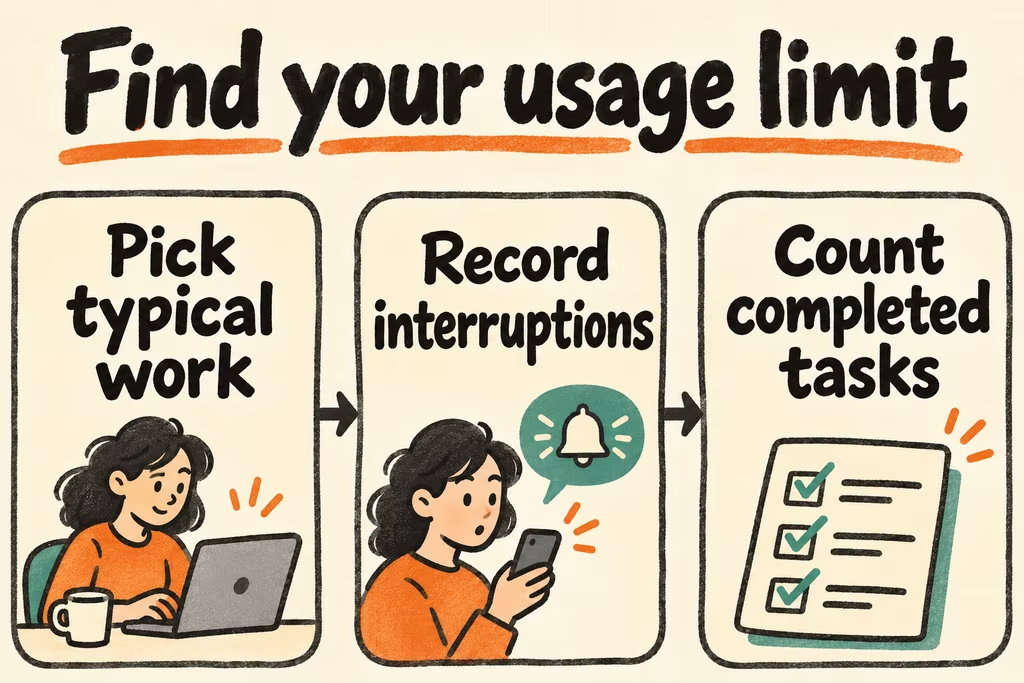
Anthropic lists Claude Pro at $20 monthly or $200 billed annually, Max at $100 monthly, and Ultra at $200 monthly in its individual USD pricing on November 16, 2026. All three include Claude Code. To choose a plan, measure which limit interrupts your normal work and how much successful work you complete between resets.
Claude Code Pro price and individual plans
Anthropic’s listed prices exclude applicable tax. Plan and model access can change. Check checkout for your billing location and confirm that you are using the intended identity and provider.
| Plan | Listed US price | Published usage comparison |
|---|---|---|
| Pro | $20 monthly or $200 billed annually | Usage windows of five hours and one week. |
| Max | $100 monthly | 5× Pro usage in the five-hour and weekly windows. |
| Ultra | $200 monthly | 10× Pro weekly usage. Verified accounts have no five-hour limit. |
How Claude Code rate limits affect a working session
Usage varies with model choice, context length, file volume, and the operations Claude performs. The same prompt can use a different amount of allowance after a long session. Use /usage to inspect the account’s usage or costs and check the plan dashboard for the relevant reset window.
Eligible subscription accounts can enable usage credits through /usage-credits. The provider documents separate views for individual subscribers and organizations. Console or managed cloud authentication can use different billing and spend limits. Confirm who pays before starting multiple long-running jobs.
Anthropic also lists monthly API credits of $100 for eligible Max subscribers and $200 for eligible Ultra subscribers. Those credits are claimed for eligible Claude Platform use. Claude Code usage and paid extra usage in Claude apps use separate balances.
Claude Code API cost example
For a standard direct API example at Anthropic’s published Sonnet 5.5 rates, 200,000 uncached input tokens at $2 per million cost $0.40. Another 20,000 output tokens at $10 per million cost $0.20. That totals $0.60 before any cache-write, tool, service, tax, or other applicable charges. This example represents one hypothetical token ledger across a workload. Claude Code subscription usage has its own meter.
An API estimate should use separate line items for standard input, cached reads, cache writes, and output. For fixed-price plans, divide seat fees and attributable extra usage by accepted tasks over the same period. Add reviewer time when comparing cost across tools.
HN cases about understanding quota burn
HN user p1necone reported exhausting a five-hour Pro allowance after one or two large feature requests. This is a historical self-report rather than a universal number. It illustrates why a long feature and a targeted patch are separate workload classes.
HN user riskable described reserving tools for different levels of complexity and experienced weekly limits in their own workflow. HN user Frannky described dividing implementation into ordered steps. Apply the idea by measuring whether smaller phases reduce rework and usage for your repository.
How to reduce Claude Code cost
- Record the plan, authenticated provider, model, usage before and after, and whether the task passed code review. Separate ordinary fixes from long investigation or code generation.
- Give the agent the relevant paths, acceptance tests, and an explicit stopping point. Start a fresh session for unrelated work and carry forward only the context needed to continue.
- Compare a smaller available model with your current default on a representative low-risk task. Keep the cheaper option when tests and review time meet the same bar.
- Run a one-week pilot, including one busy workday. Upgrade or budget for credits if quota interruptions repeatedly cost more than the price difference.